
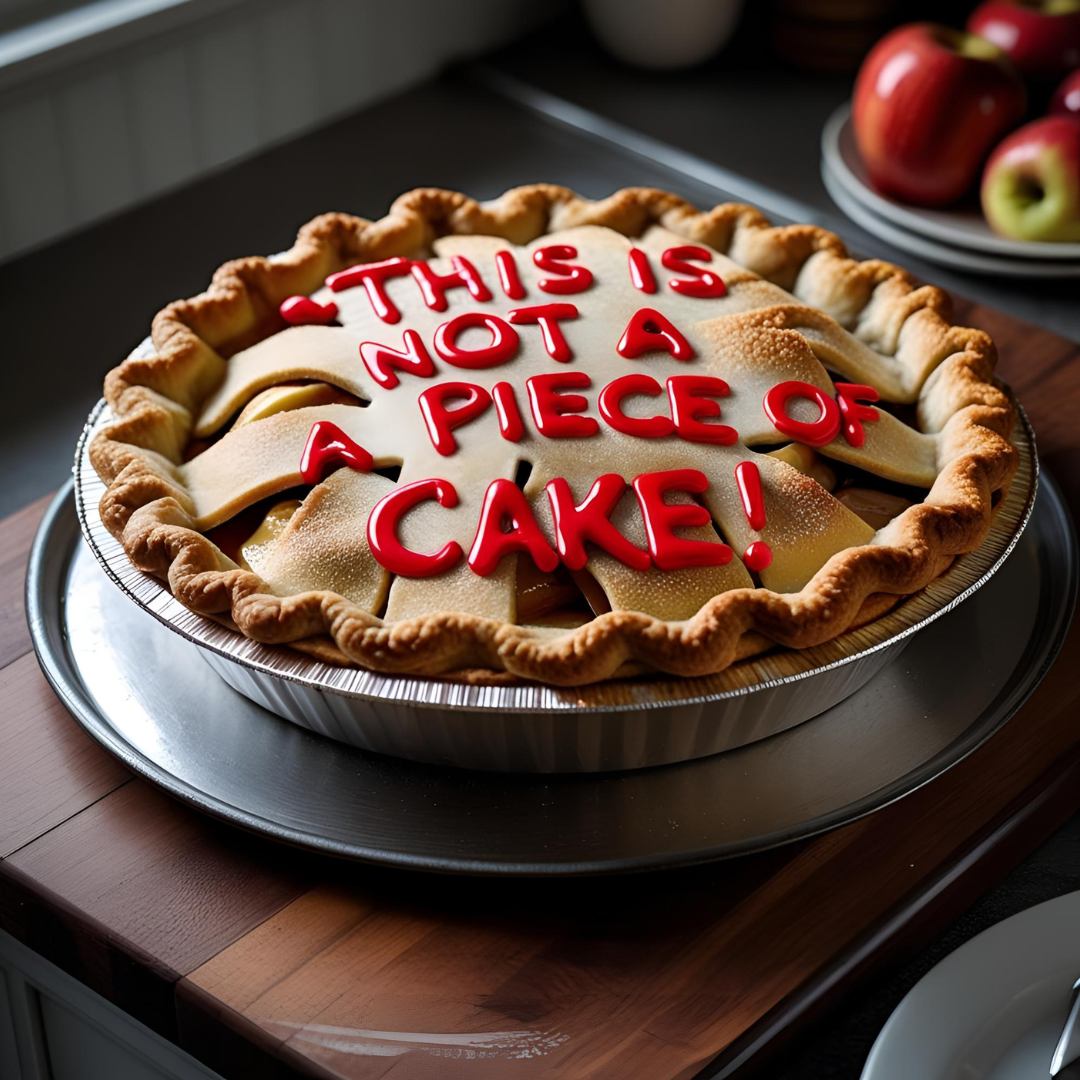
 The Well is my metaphor for contact with birth parents.
During my active parenting years, I thought my responsibilities to Tessa and Reed were to make sure I could keep taking them to The Well, my metaphor for contact with their birth/first parents. I ensured regular contact with first moms in the early years. I tracked down missing birth fathers when it was appropriate to do so. If any first parents went incommunicado for too long, I would stalk them on social media to make sure I/we hadn’t lost track of them. (I was totally able to justify this kind of stalking in my head).
Like so many adoptive parents, I was committed to helping Tessa and Reed maintain contact with those who had entrusted them to my care: their first parents, their original source, The Well.
For me to fulfill the commitments I’d made, I needed to remain the conduit over the long term, facilitate contact when distance, logistics, and other factors would allow, and never pullute the connection with gunk from my own attachment wounds.
Recently I received a comment from a longtime reader known as “a,” that causes me to refine the metaphor of The Well in an open adoption.
 The role of guiding contact in an open adoption is complicated by an ever-changing Well and Well-goer.
Both of my grown children, if they wanted to talk with you about it, would say that I overdid my efforts.
In other words, Tessa and Reed have called me out my blindspots. I had centered some contact decisions on me, on my need to do it “right.” They have let me know that if I’d truly been centering them, I might have made different decisions at times.
I am not at liberty to get into specifics, but trust me. I have regrets. I didn’t check the quality of visits to The Well often enough. From the very beginning, I had set my guiding star just slightly off, and we know that with enough time or distance, a slight misdirection early on can lead you surprisingly astray. I assumed when my children were little that focusing on their birth parents would always be the same as centering Tessa and Reed, too.
Color me surprised a few times when the focal points diverged. I was flummoxed, too. What do you do when Team Adoptee and Team Birth Parent are no longer aligned? What do you do when your laser-focus on contact means you overlooked other elements?
Because adoption professionals tell us that “open adoption” means Contact, I overemphasized it at the expense everything else. It took me time to realize there even were other elements. It took me awhile to factor in Openness, and to prioritize it over Contact.
Openness, to me, is doing our inner work to continually be aware of our gunk in the conduit, and to know ourselves and what we are bringing to the quality of our decision-making about Contact.
When we pay attention to the inner channel that links our head (our wisdom) and heart (our compassion), as well as the channel between us and our adoptee—when we keep those channels Open, adoptee-centered decisions about Contact flow. Bonus: The more we attend to our own inner landscape, the safer we feel to our adoptee.
Sure. I know this now, But I didn’t early enough, which is why I share here.
So now we are talking about when is it justified, or even necessary, to cut off contact with birth parents. I have touched on this before. A few key points:
- An adoptee’s post-visit meltdown doesn’t necessarily mean The Well is toxic. As explained in Chapter 17 of Adoption Unfiltered, it could be that the goodbyes are as painful as the hellos are nourishing. If this phenomenon is any part of a diagnosis of the situation, then cutting off contact would be the absolute wrong prescription.
See? This ain’t easy!
- Going no-contact must be a temporary measure, with periodic reassessments (retaining Contact requires this, too, as I now know).
- If you decide you must go no-contact, make sure you continue to hone your sense of Openness. This ongoing work is what makes us feel safe to our adoptees. Safe to be with and safe to confide in, because we are doing our own work and clearing our gunk.
- Even when you pause Contact, you can stay Open. And thus still have an open adoption.
.



2 Responses
You put so much thought into this topic that it’s hard to think of you making mistakes! But all parents do it, and when your kids feel free to tell you about it later – not in a “you were the worst parent” way but in a “your intentions were clear and well-meant, but did you realize this was the consequence?” way – you know that you did your best. You can acknowledge your blind spots (or not – my mom rarely did, but she didn’t get mad when I would laugh at her or roll my eyes and say “OooooK, mom.”) and apologize for anything that caused harm (not momentary discomfort but actual harm).
I think one of the most significant keys of open adoption is that the kid knows that they were adopted and any feelings they have about it are fine. Just like a non-adopted son or daughter, they will be loved whatever their feelings might be. Everything else builds from that.
I love hearing that your mom, though she resisted acknowledging her blind spots (as is my go-to response!), was at least able to apologize for harm. I’ve also learned to take the wins where you can get them.
Your last paragraph is 🎯.