
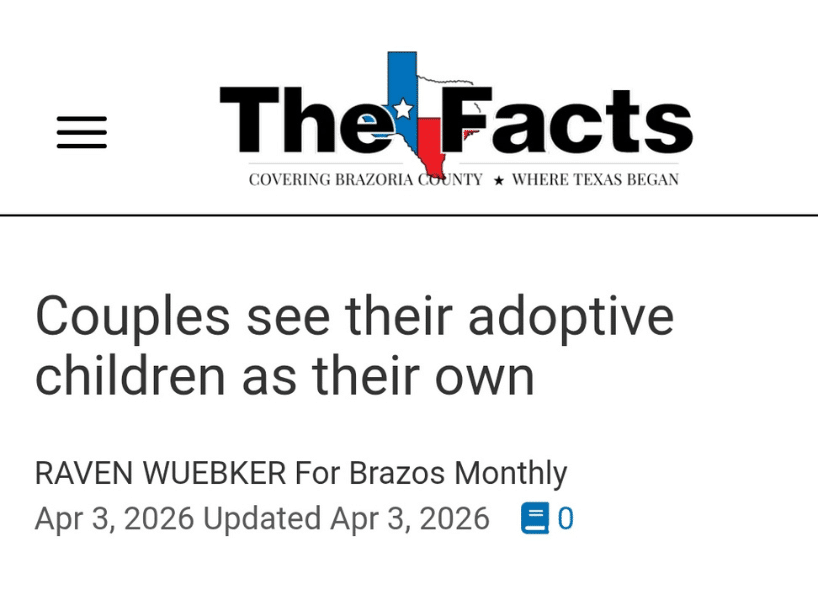
If the title of the article rubs you the wrong way, it may be because it seems like a backhanded compliment.
“Couples see their adoptive children as their own” uses a simile. Similes indicate when something resembles another thing, which isn’t quite like being the same thing.
Picky picky regarding semantics? Perhaps. But as I sit with it, the headline seems to be saying to adoptees and to their parents: See, you ARE good enough no matter what others say—which is kind of an insult and rings of methinks thou dost protest too much.
We all know adoption is not optimal—it happens only when something is wrong—yet instead of acknowledging that, we try really hard to put a happy face on it, and only a happy face.
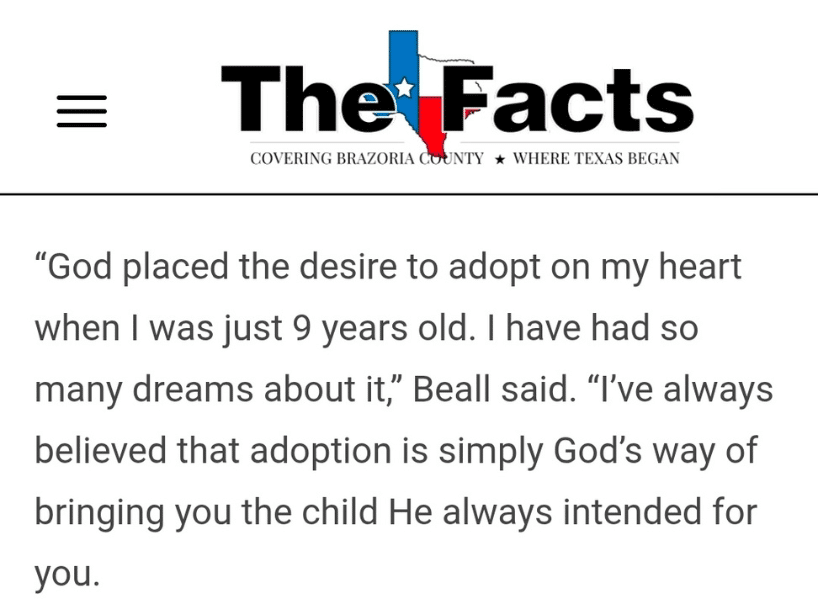
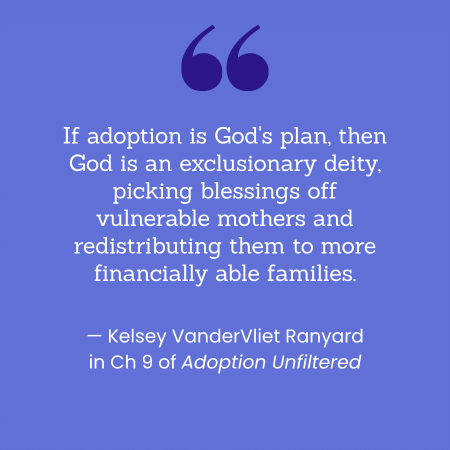
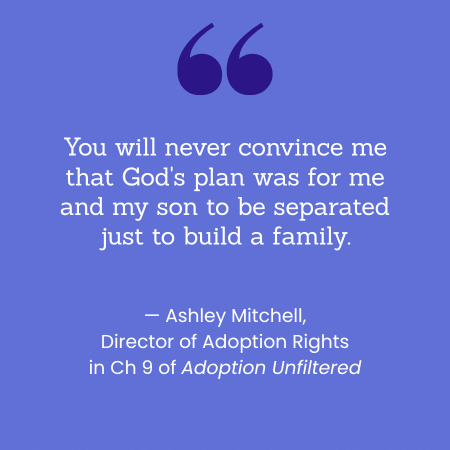
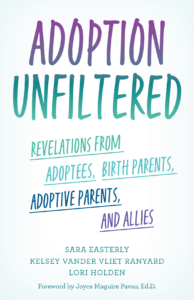
My co-authors of Adoption Unfiltered offer thoughtful explanations why “called to adopt” is problematic for both adoptees and for birth parents.
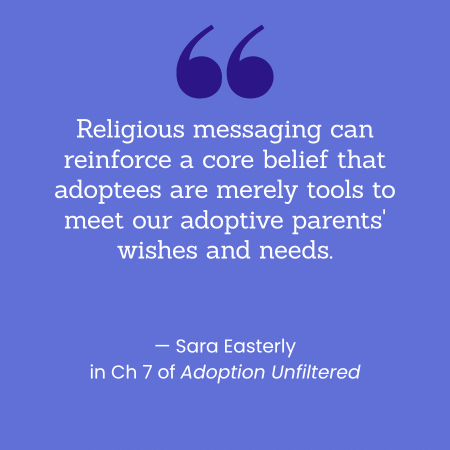
Adoptee Sara Easterly says in Chapter 7, “Religion’s Pain Points for Adoptees:”
Speaking of birth parents, who cannot be severed from adoptees by virtue of DNA and gestation, the article touches on another feel-good platitude.
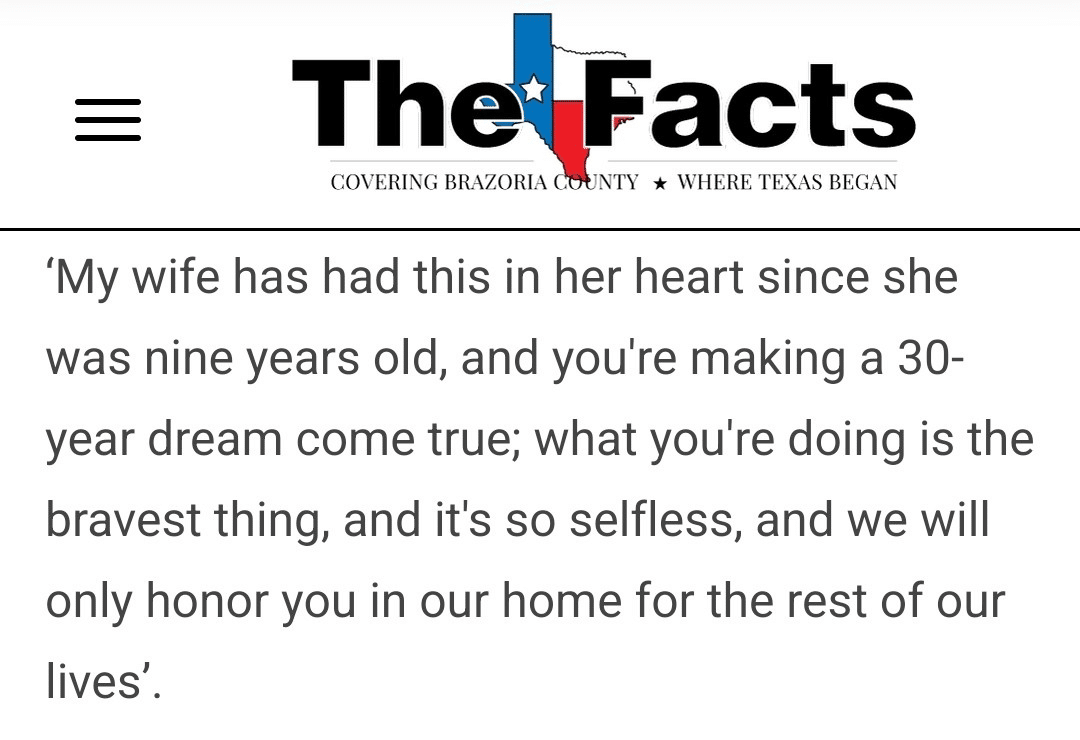
“Brave” terminology is tied to debates around reproductive choice. Such an approach emphasizes sacrifice that redeems a fallen woman (never a fallen man) for the sin that landed her in her pregnancy predicament.
If giving a baby away makes someone brave and selfless, how might that idea land with an adoptee as they begin to come to consciousness about their adoptedness?
If I imagine myself an adoptee, I would be very puzzled why my mother had to sacrifice our bond to make someone else’s dream come true, and I’d wonder about a society deems some worthy of motherhood and some not.
Here’s just one example of how this happens. Placing parents struggle to find support to parent their babies while adopting parents are awarded $17,280 (in 2026) to parent an adopted baby via the Adoption Tax Credit. Clearly there are assessments of worth in these policies.
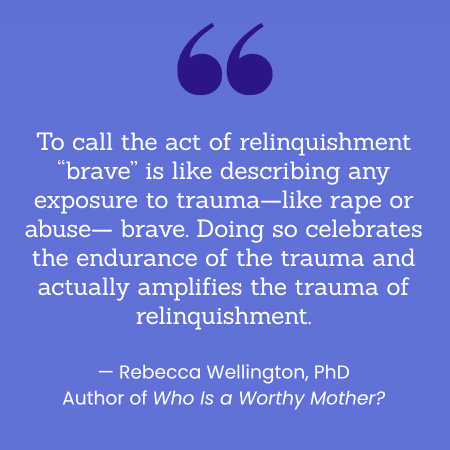
Historian Rebecca Wellington of the University of Puget Sound has written extensively about how the ways we frame adoption affects adoptees and birth mothers in her book Who Is a Worthy Mother?
Here’s what she has to say about the intention vs impact of “you’re so brave.”
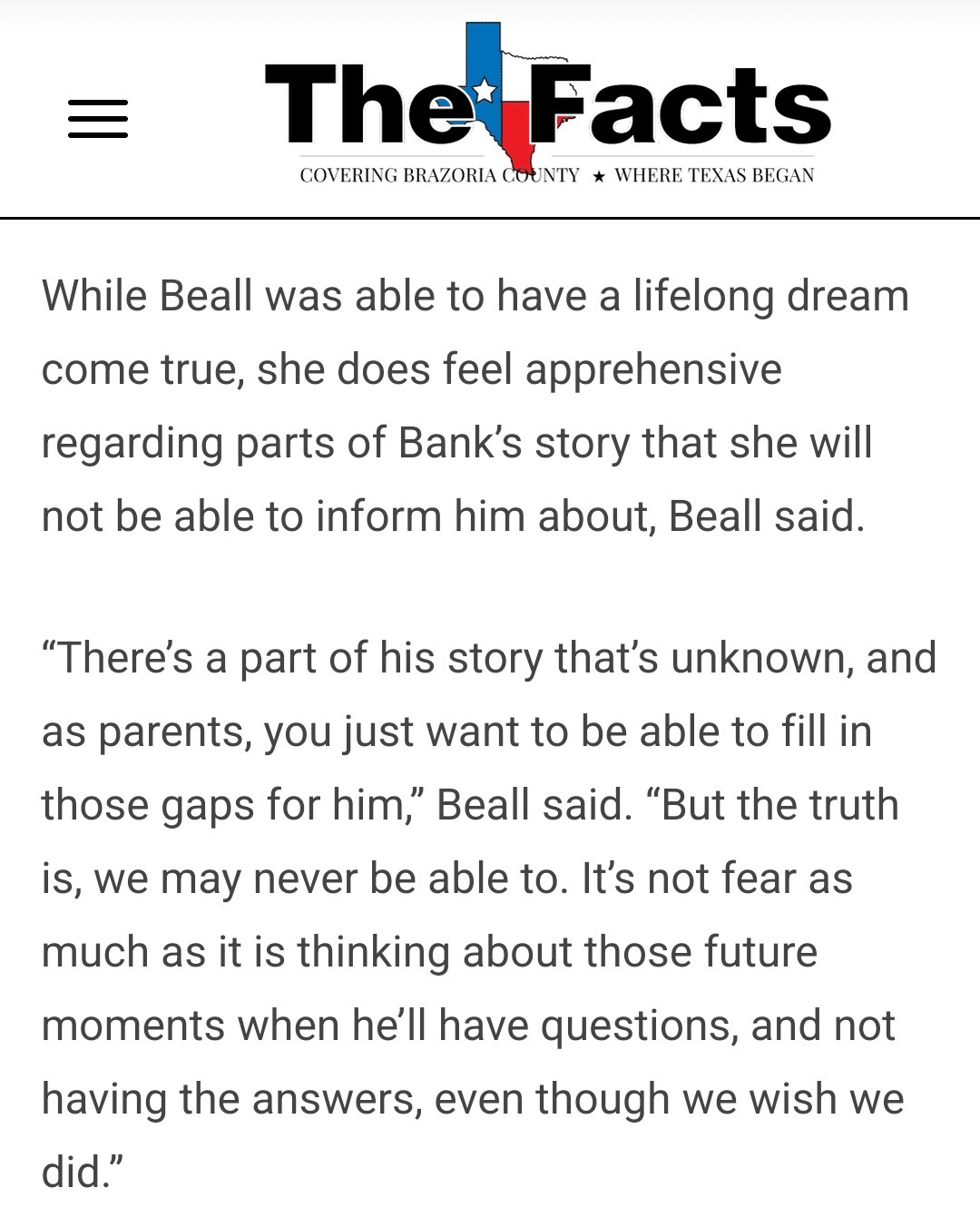
It’s difficult for adoptees to lack information about their origins. But missing information is also difficult for adoptive parents who desperately yearn to be able to provide everything their adoptee will need to make sense of their story over time.
With the current zeal in some states to install baby boxes—an ill-advised layer of disconnection at places where the law already allows a distressed mother to place an infant in the arms of a human—we really should factor in the complete severance in the origin story encouraged by such boxes.
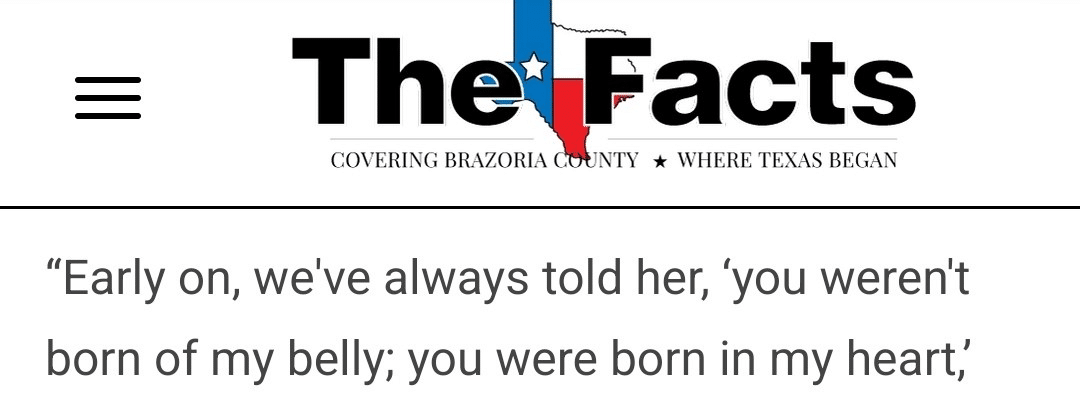
Developmentally, children take things literally for many years until they develop the capacity for abstract understanding. Consider this example:
Sam’s parents tell him that although he didn’t come from Mom’s belly, he most certainly came from her heart. One day, Sam inevitably hears how births actually happen, and now he is on an anatomical wild-goose chase trying to figure out exactly how he could have been born from a heart. An actual heart.
This sentiment, ostensibly to distract an adoptee from feeling the the pain of relinquishment and instead replace it with the joy of being wanted, may also be in use because parents feel good saying it.
And really? Feelings don’t work that way. Replacing sad with happy is like trying to heal a burn by treating it with ice—you can’t get to the just-right temperature by blending two extremes. We must allow emotions coexist, understanding that they, too, don’t cancel each other out, (much as we wish they could.)
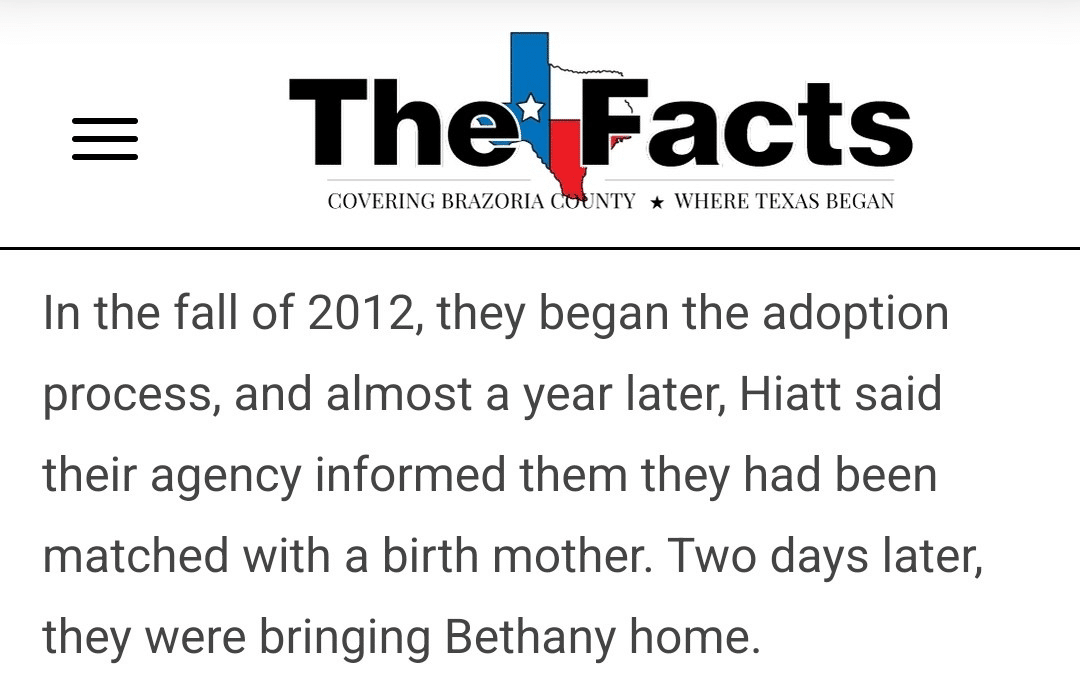
“Birth mother” is a clarifying title that indicates a mother who has placed a child for adoption.*
Note the past tense. A parent who has not yet relinquished her rights is, simply, a mom. During the entire adoption process, from considering adoption, through the pregnancy, during a matching period, through labor and delivery, right up until the moment before the termination of parental rights, the use of the term “birth mother” is presumptive, inappropriate, and possibly coercive.
We need to call out this terminology any time it is misused and educate around its proper use.
* There is no consensus around “birth mother” as the preferred term; there are many options individuals choose. I use it here because it is the most widely understood at this time.
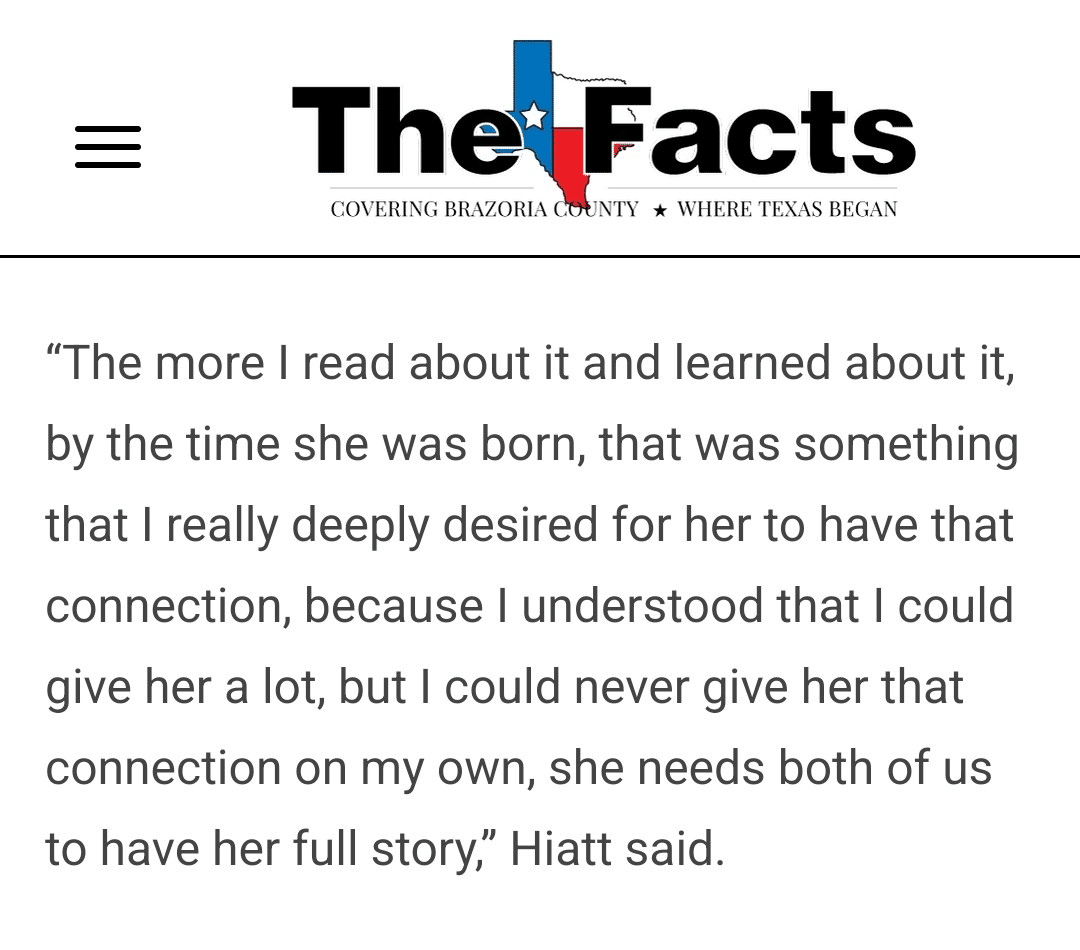
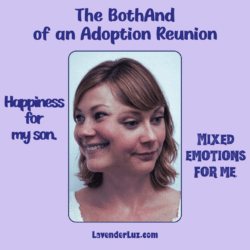
This mom is open to learning and growing, willing to listen to adoptees about their need to be supported by their parents in putting all their puzzle pieces together. She can accept the idea that there are some things that only the other mother can offer to the daughter that joins them.
This mom is able to shift from society’s Either/Or mindset into a more expansive and beneficial BothAnd heartset.



4 Responses
Such a thoughtful analysis. So many harmful tropes… But glad there was one bright spot. Except when there is one bright spot tucked into all the rest, what will people reading the article take away from it? Sigh. I still don’t understand how we provide a generous tax credit to adoptive parents, and a teensy fraction of support/services to keep families together when finances are a factor. That seems so backwards.
Exactly, Jess. I get that kids in the child welfare system need permanency, and the Adoption Tax Credit can help recruit more parents for that. But for infants not in the system, why do we throw so much $ at replacing one set of parents with another — especially if we understood that relinquishment is traumatic and babies are not blank slates?
Ouch, that headline! And I cringed reading that comment from the father who made it all about his wife and him, whilst calling her brave. Ok, maybe I was forewarned, but I am really glad you have written this, putting some deeper thoughts than the “feel good” happy adoption stories that are almost always focused on the adoptive parents.
Also, as an aside, coming from NZ where adoption is almost always within extended families these days, the sheer numbers of children available for adoption in one county in the US is astounding to me.
Isn’t it? I love that you bring up that it’s not like this everywhere. As in the “Parable of the River,” instead of just fishing babies out of the river one after the other, maybe we should go upstream and see why they keep ending up in the river in the first place. Be curious first, then proactive — like you NZers do.